
Brain & Spine Neurosurgeon — Minutes from El Paso
Specialization
Minimally invasive technique
International training
Mexico, Spain and Brazil
Hospital Angeles
Advanced technology
A specialist you can trust
With you at every stage
WE HELP YOU UNDERSTAND WHAT'S HAPPENING
Clear answers to your questions
Persistent pain, an unexpected diagnosis or the possibility of surgery can bring uncertainty. Dr. García Zamarrón helps you understand your condition and your options.
Do I really need surgery?
What is causing my symptoms?
Is there a minimally invasive option?
What will my recovery look like?
AREAS OF CARE
Brain and spine specialization
Minimally invasive surgery
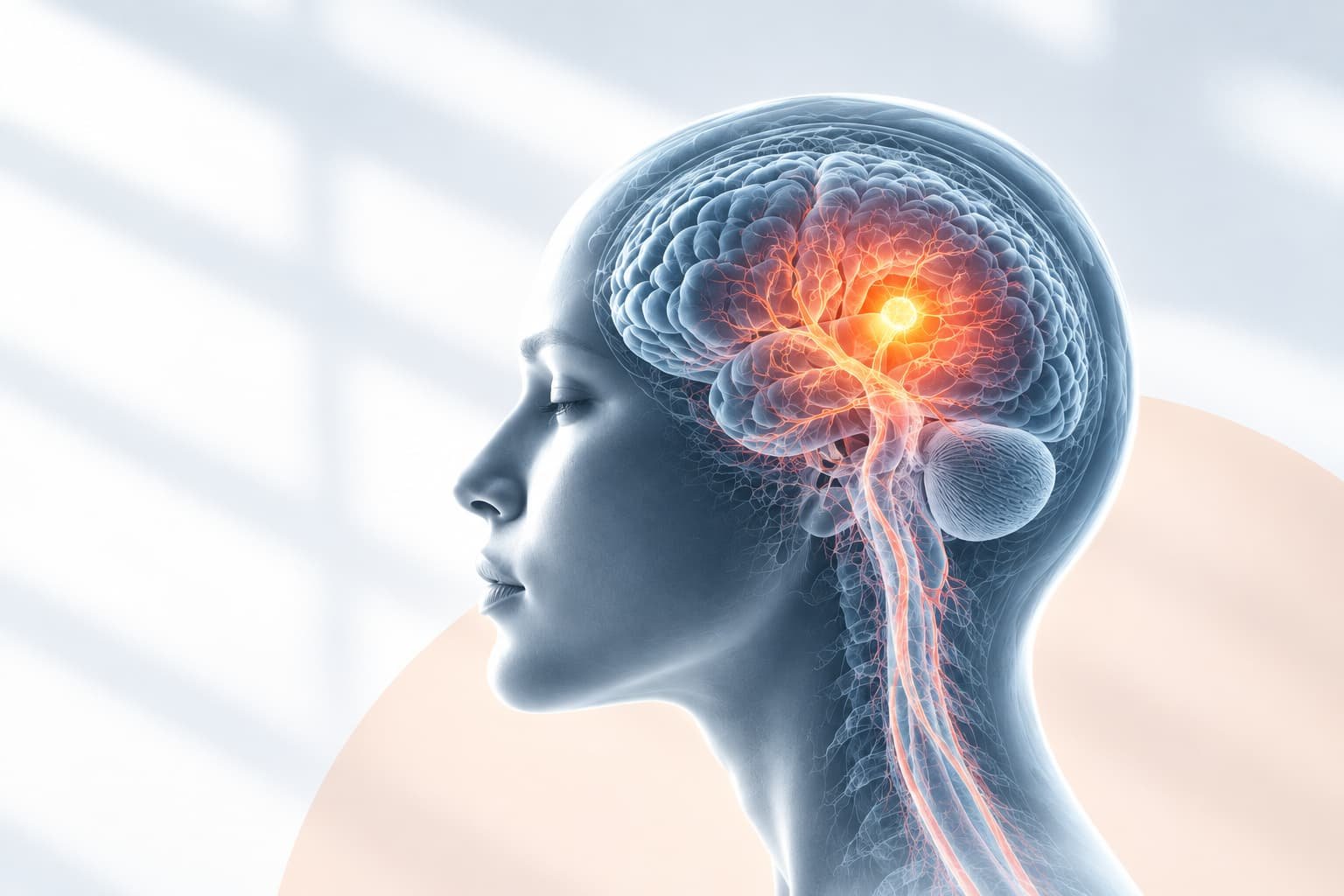
Brain surgery
Brain tumors and other conditions that require neurosurgical care.
Learn more →
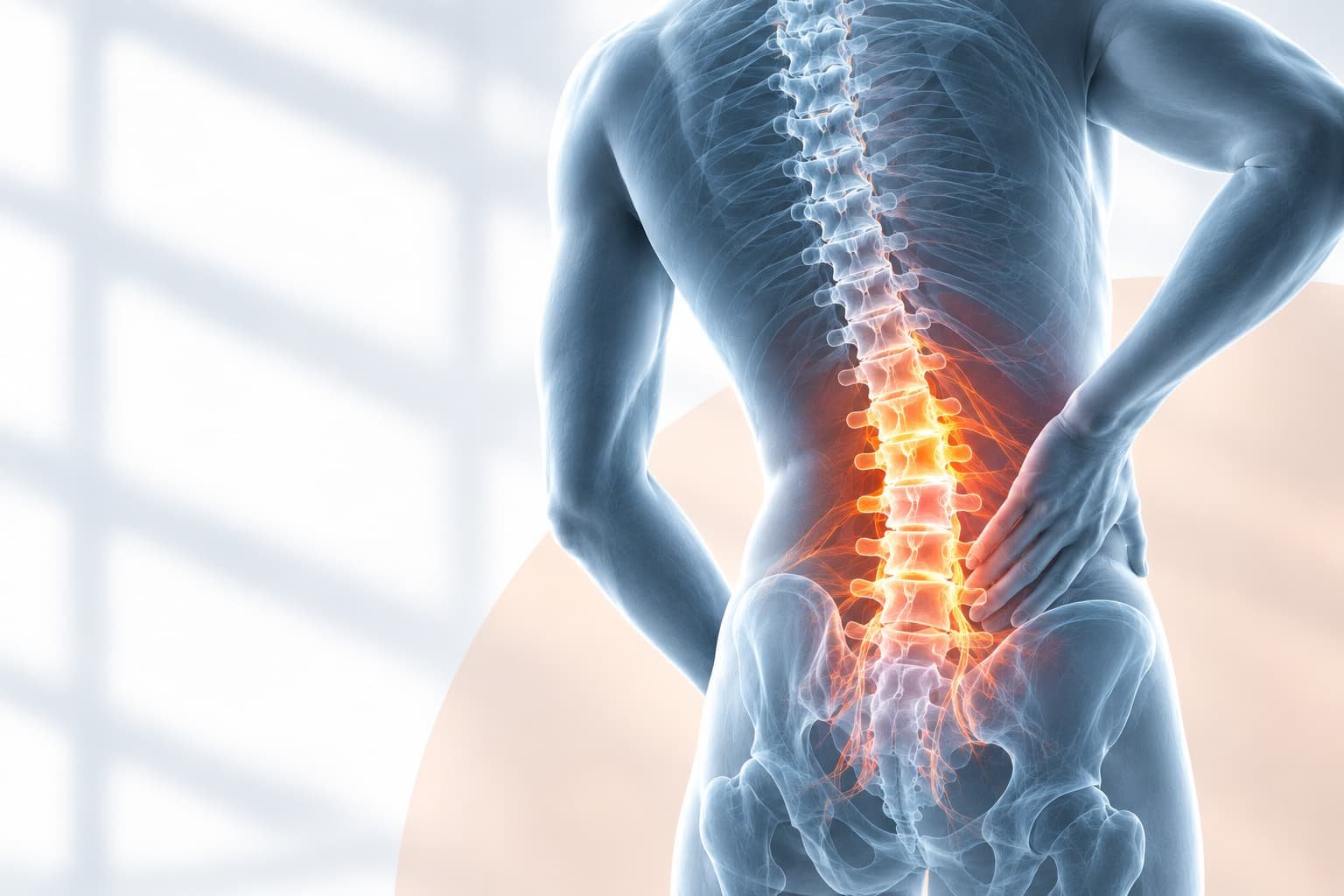
Spine Surgery
Back pain, sciatica, herniated discs and other spine conditions.
Learn more →
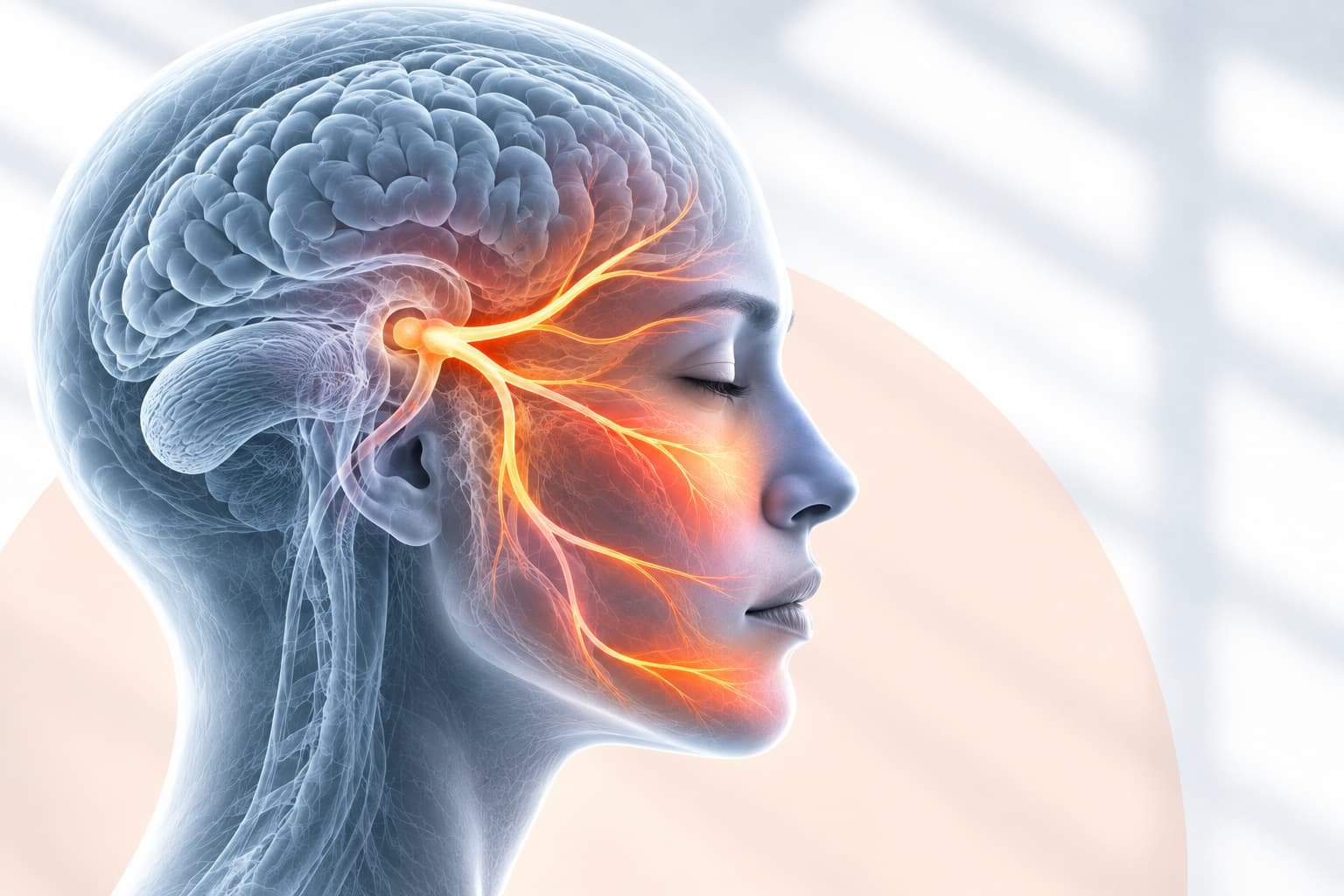
Trigeminal neuralgia surgery
Specialized care for intense facial pain that can feel like an electric shock.
Learn more →
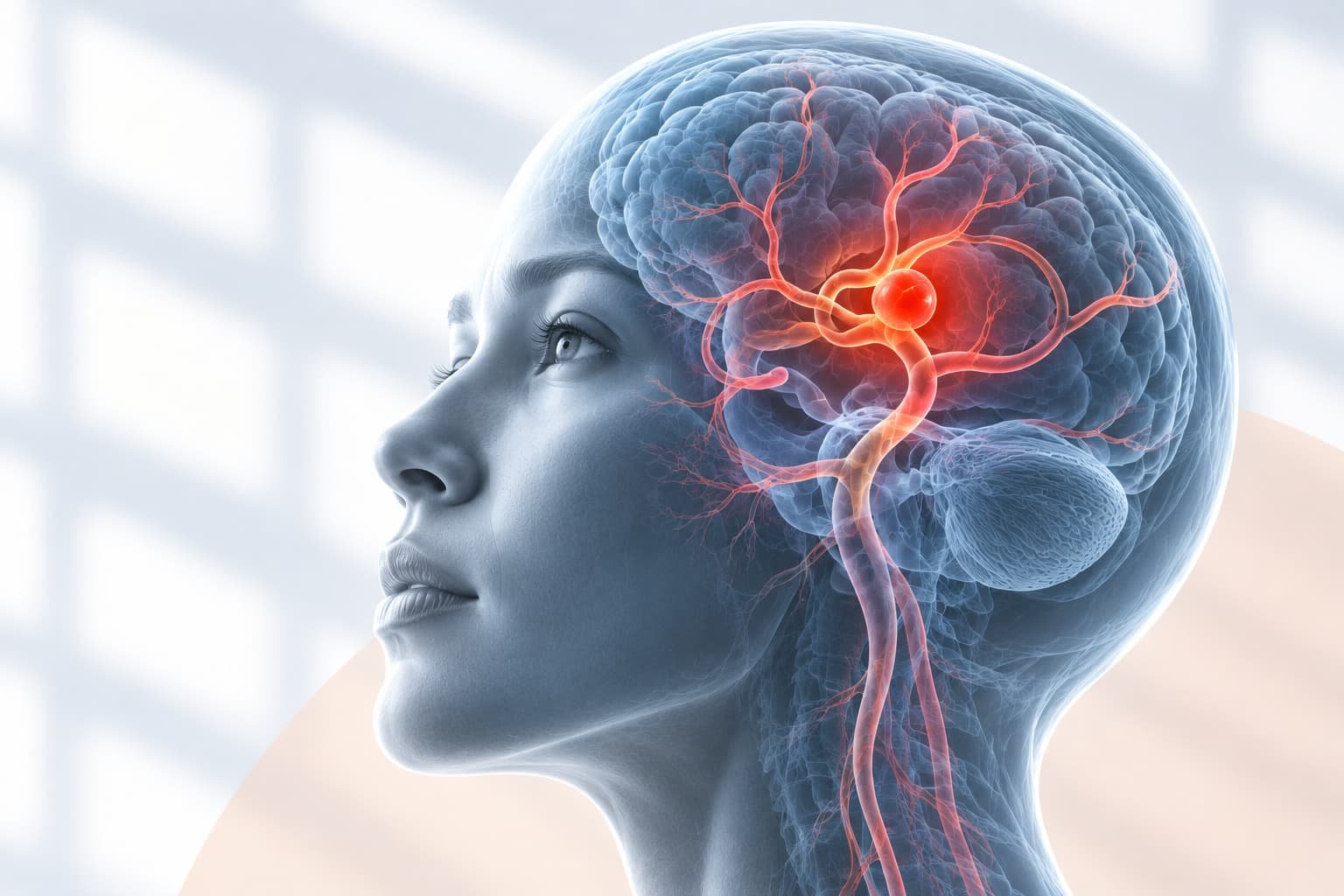
Brain aneurysm surgery
Care for brain aneurysms, with an individual evaluation for each case.
Learn more →
NEUROLOGICAL SIGNS
Do you have any of these symptoms?
A timely evaluation can help identify the cause.
Spine
- Neck or back pain
- Pain that radiates to the arms or legs
- Tingling or numbness
- Weakness or difficulty walking
Brain
- Persistent or severe headaches
- Changes in vision or balance
- Seizures
- Changes in speech, memory or sensation
WARNING SIGNS
If any of these symptoms appears suddenly, seek medical attention immediately.
If you have a warning sign, go to the emergency room.
The worst headache of your life, of sudden onset
Loss of bladder or bowel control
Loss of consciousness or seizures
Sudden loss of strength in an arm or leg

WHY CHOOSE DR. GARCÍA ZAMARRÓN
Training and experience in
brain and spine surgery.
Certified by the Mexican Council of Neurological Surgery
Master’s in Spine Surgery — Spain
Vascular surgery training, Brazil
Your health in good hands.
Support throughout the entire process
Compassionate, personal care
Clear, personalized treatment planning
YOUR CARE PROCESS
Care that begins by
listening to your case.
Dr. García Zamarrón reviews each case individually to explain your treatment options.
1. Listen
We learn about your symptoms, medical history and concerns.
2. Evaluate
We review your clinical information and available studies.
3. Guide
We explain your treatment alternatives, including their benefits, limitations and risks.
SURGICAL PRECISION
Advanced technology
Tools that support surgical planning and follow-up, helping achieve greater surgical precision.
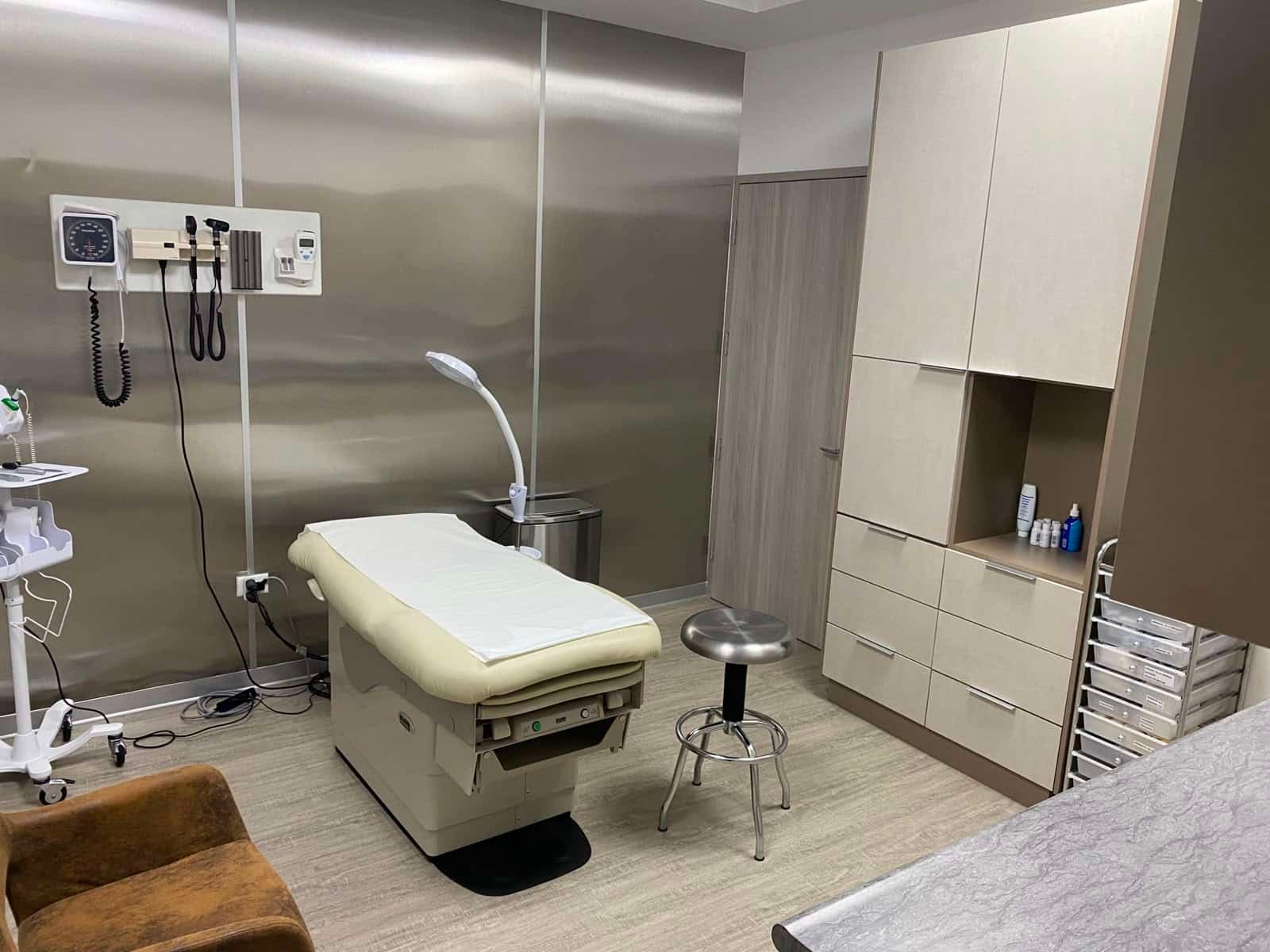
OUR OFFICE
A place to listen, guide and support you.
Hospital Angeles · Ciudad Juárez · Consultorio 795
Because behind every diagnosis there is a person. Our office is designed to offer you privacy and trust at every stage of your care.






A specialist you can trust
Real patient reviews
Verified reviews
INTERNATIONAL EDUCATION
The peace of mind of being
in good hands.
Participant in the 19th World Congress of Neurosurgery (WFNS 2025)
Dr. José Raúl García Zamarrón stays continually up to date alongside international leaders, to offer you the care, precision and technology your health deserves.

HEALTH INSURANCE
We work with Mexican insurers.
We partner with leading Mexican insurance providers to help simplify your care.








Patient Resources
Guides and articles on brain and spine health
A space created to answer your questions about brain and spine health. Here you will find clear information on symptoms, procedures and technology to guide you at every step.
Brain tumor: symptoms, types, diagnosis, and treatment
A brain tumor is not always cancer. We explain what symptoms it can cause, the different types, how it is diagnosed, and when you should seek medical attention, as well as the available treatment options, which do not always involve surgery.
15 minute read
Patient Guide
Brain Tumor Surgery: What Is a Craniotomy, How It Is Done, and Recovery
A craniotomy is the surgical procedure used to remove most brain tumors. We explain how the procedure is prepared, what happens during surgery, how technology guides the procedure, and what to expect during recovery.
15 minute read
Brain & Nervous System
SCHEDULE AN APPOINTMENT
Your health deserves attentive,
trusted care.
Receive a personalized evaluation and understand your treatment options for your case.
Hospital Angeles Ciudad Juárez
Office 795, Av. Campos Elíseos 9371, Col. Campos Elíseos, 32420 Ciudad Juárez, Chih.
656 657 7818
Phone
656 227 19 63
Hours
Monday to Friday, 9:00 a.m.–5:00 p.m.
Saturday, 9:00 a.m.–12:00 p.m.

Frequently Asked Questions
We answer your questions.
When should I see a neurosurgeon for back pain?
If back pain persists, radiates to the legs, or is accompanied by tingling, numbness or weakness, a medical evaluation is recommended. A neurosurgeon can identify whether there is a spinal condition or nerve compression and determine which treatment options are appropriate for your case.
What are the symptoms of a lumbar herniated disc?
The most common symptoms are lower back pain that may radiate down the leg, tingling or numbness, and sometimes weakness when moving the foot. Pain typically worsens with sitting, coughing, or straining. If you're also losing strength, an evaluation is no longer optional.
When should I consider surgery for a herniated disc?
Most herniated discs improve without surgery within a few weeks. Surgery is considered when there's nerve damage, when the pain is severe enough to interfere with daily life, or when non-surgical treatments haven't worked. Progressive weakness or loss of bladder or bowel control requires urgent attention.
What is minimally invasive spine surgery?
This technique operates on the spine through small incisions, spreading the muscle instead of cutting it, guided by imaging. Compared to open surgery, it's associated with less bleeding, less pain, and a faster recovery. Not every case is a candidate — the specialist determines this individually.
How do I know if I'm a candidate for minimally invasive spine surgery?
Not every case is. It depends on the condition, your anatomy, your imaging studies, and whether you've had prior surgeries. Dr. García Zamarrón determines this after reviewing your MRI and performing an exam. If your case isn't a candidate, you'll be told clearly and offered the alternative that fits you best.
How long does recovery from minimally invasive spine surgery take?
Recovery time depends on the procedure performed and each patient's individual characteristics. Minimally invasive spine surgery uses approaches that may reduce the impact on muscles and surrounding tissue, which can support a faster recovery and a lower need for rehabilitation in certain cases.
What are the risks of spine surgery?
Like any surgery, a spine procedure carries risks, which depend on the type of surgery, the area treated and each patient's condition. During the evaluation, the neurosurgeon explains the possible risks, benefits and alternatives before a treatment decision is made.
When does a headache require evaluation by a neurosurgeon?
Not all headaches require evaluation by a neurosurgeon. However, if they are new, recurring, increasingly intense, or accompanied by other neurological symptoms, a medical evaluation is recommended to identify the cause.
Seek emergency care if the headache is sudden and severe, especially if accompanied by seizures, weakness or loss of sensation on one side of the body, difficulty speaking, confusion or loss of consciousness. In these cases, go to the emergency room immediately or call 911.
What are the symptoms of a brain tumor?
Symptoms of a brain tumor can vary depending on its location, size and characteristics. They may include headaches, seizures, changes in vision or speech, nausea and vomiting, changes in balance, weakness, or changes in memory, concentration or behavior.
Having any of these symptoms does not necessarily mean a brain tumor is present. Many of them can be caused by other, far more common conditions. A medical evaluation, and imaging studies when indicated, can help determine the cause.
Is a brain tumor the same as cancer?
Not necessarily. Not all brain tumors are cancer. There are benign tumors, which are not cancerous, and malignant tumors, which are. Brain tumors also vary in type and behavior, which can differ significantly from one tumor to another.
For this reason, a brain tumor diagnosis alone does not determine its nature or treatment. Identifying the type of tumor and its characteristics requires a medical evaluation and the appropriate imaging studies.
Do all brain tumors require surgery?
No. Treatment depends on each individual case, including the type of tumor, its size, location, characteristics and the patient's specific situation.
In some cases, surgery may be recommended; in others, treatment may include periodic monitoring, radiation therapy, medication or other options. Active surveillance may be used, for example, for certain slow-growing tumors that are not causing symptoms.
The decision is made after reviewing the case and evaluating the available alternatives.
What does a craniotomy involve?
A craniotomy is a surgical procedure that provides access to the brain through a temporary opening in the skull. The neurosurgeon makes an incision, removes a section of bone to reach the area requiring treatment, and replaces it once the procedure is complete.
It can be used to treat various conditions, including certain brain tumors, aneurysms and other neurological disorders. The surgical approach depends on the area to be treated and each patient's individual characteristics.
During and after surgery, neurological checks and monitoring are performed to track the patient's progress.
How long does recovery from brain surgery take?
There is no single recovery time that applies to all brain surgeries. It depends on the procedure performed, the area treated, the diagnosis and each patient's individual condition.
After brain surgery, the patient remains under medical observation, and the return to normal activities is determined based on their progress. Some patients may require rehabilitation or additional care before fully resuming their usual activities.
For this reason, the recovery timeline is established individually during follow-up after surgery.
What are the risks of brain surgery?
Like any surgical procedure, brain surgery carries risks. These depend mainly on the type of procedure, the area of the brain being treated, and each patient's individual condition.
Possible complications include bleeding, infection, seizures, brain swelling, or neurological changes such as altered strength, speech, memory or balance. Not all of these risks occur in every surgery.
Before making a decision, the neurosurgeon explains the corresponding risks, benefits and alternatives for the specific case, so the patient can make an informed decision.
Does Dr. García Zamarrón perform brain tumor surgery?
Yes. Dr. García Zamarrón performs brain tumor surgery, endoscopic endonasal pituitary surgery, and trigeminal neuralgia surgery, supported by neuronavigation, neurophysiological monitoring, and ultrasonic aspiration. See the brain surgery page for full details.
LEARN MORE ABOUT NEUROSURGERY
Information to help you better understand your condition
Here you will find more specific information about conditions, symptoms, procedures and treatment options.
Brain and Spine Surgery Specialist in Ciudad Juárez
Dr. José Raúl García Zamarrón
An internationally trained neurosurgeon specializing in brain and spine care through minimally invasive techniques and millimeter-precision technology — less damage to healthy tissue and, depending on your diagnosis, a faster recovery.
Learn more about the benefits of minimally invasive surgery »
Certified Specialist
View credentials »
Hospital Angeles
Office 795, Cd. Juárez
5.0
398 verified reviews
SURGERIES PER YEAR
POSITIVE REVIEWS
YEARS OF EXPERIENCE
NEUROSURGEON SERVING EL PASO & CIUDAD JUÁREZ
Dr. José Raúl García Zamarrón
International training
I'm Dr. José Raúl García Zamarrón, a brain and spine neurosurgeon based in Ciudad Juárez — just minutes from El Paso — certified by the Mexican Council of Neurological Surgery, with international training in Mexico, Spain, and Brazil.
My practice is built on precise diagnosis and minimally invasive neurosurgery, paired with dedicated, personal care throughout every patient's recovery.
Professional License (Cédula Profesional) 6241285 · Specialty License (Cédula de Especialidad) 10138902
Complete clarity about your treatment options
Support throughout your recovery
Minimally invasive surgery with advanced technology
TRAINING & CERTIFICATIONS
Neurosurgery Specialty
CMN La Raza, Mexico
Certified by the Mexican Council of Neurological Surgery
Master's in Spine Surgery
Universidad Cardenal Herrera, Spain — Vall d'Hebron Training in Minimally Invasive Surgery
Member of AO Spine
Spine specialty division of the AO Foundation
Vascular Surgery
Beneficência Portuguesa, Brazil
Member of EANS
European Association of Neurosurgical Societies
Symptoms and Conditions Treated by a Neurosurgeon in Ciudad Juárez, near El Paso, TX
Brain and Spine Conditions
Dr. García Zamarrón Treats
Dr. García Zamarrón treats herniated discs, sciatica, back pain, hydrocephalus, and brain tumors — minutes from El Paso in Ciudad Juárez — among other neurosurgical conditions.
Understanding what you're feeling is the first step toward acting in time: here you'll find the most common symptoms of brain and spine conditions, to help you know when it's time to see a specialist.
Spine Conditions and Symptoms
Common Spine Symptoms
Here are some of the symptoms you may be experiencing.
Weakness on one side of the body » Warning sign
Loss of strength or sensation in an arm, leg, or one side of the face, almost always on a single side. This deserves prompt evaluation.
Sciatica
Pain that starts in the lower back and travels down the leg, sometimes with tingling or weakness. This is the classic sign of a compressed nerve root — what many call a "pinched nerve" — as seen in a lumbar disc herniation.
Pain while walking or standing
Heaviness or pain in the legs while walking that improves with sitting or bending forward. A typical pattern of lumbar stenosis.
Tingling or numbness
A feeling of electric current, numbness, or loss of sensation in an arm, hand, leg, or foot, depending on the nerve involved.
Lower back pain that won't go away
Pain in the lower back that persists for weeks and doesn't improve with rest or pain medication. When chronic low back pain is constant, it can have a structural cause — disc wear or spinal instability — worth having checked.
Pain radiating down the arm
Pain that starts in the neck and travels down the arm, sometimes with tingling or weakness. This is the classic sign of a compressed nerve root, as seen in a cervical disc herniation.
Persistent neck pain
Ongoing discomfort that doesn't improve with rest or standard treatment after several weeks.
Weakness in a limb
Difficulty gripping objects, lifting the foot, or supporting your body weight. Often accompanies pain and numbness.
SEE MORE WARNING SIGNS »
Spine Conditions
Below are some common spine conditions.
- Degenerative disc disease
- Vertebral fracture
- Spinal cord tumor: intramedullary / extramedullary
- Cervical, thoracic, or lumbar disc herniation
- Failed back surgery syndrome
- Spina bifida
- Chiari malformation
- Scoliosis / adult spinal deformity
- Syringomyelia
- Spondylolisthesis
- Spinal infection (epidural abscess)
- Vertebral metastases (spinal bone tumors)
- Osteoporotic vertebral fracture
- Spinal stenosis (myelopathy / radiculopathy)
Neurological Conditions and Symptoms
Common Brain Symptoms
Here are some of the symptoms you may be experiencing.
Weakness on one side of the body » Warning sign
Loss of strength or sensation in an arm, leg, or one side of the face, almost always on a single side. This deserves prompt evaluation. Merece valoración pronta.
Balance or coordination problems
Unsteadiness, clumsy movements, or difficulty walking, often more pronounced on one side.
Nausea or vomiting with no apparent cause
Persistent, with no digestive origin, especially in the morning and accompanied by headache. May indicate increased pressure inside the skull.
Headaches
A new or different headache than your usual pattern, one that worsens over time, is more intense upon waking, or gets worse with coughing or straining. Most aren't serious, but a changing pattern deserves evaluation.
Vision changes
Blurred or double vision, blind spots, or unusual light sensitivity, when a lesion affects the brain's visual pathways.
Seizures
A first-time seizure in adulthood should always be evaluated. Not all seizures involve losing consciousness — some present only as tingling, brief confusion, or momentary difficulty speaking.
Changes in memory, speech, or behavior
Difficulty finding words, remembering everyday things, or mood changes that people close to you notice as different.
SEE MORE WARNING SIGNS »
Brain Conditions
Below are some common brain conditions.
- Hydrocephalus
- Brain tumor
- Skull fracture
- Brain contusion
- Traumatic brain injury
- Epidural / subdural / intracerebral hematoma
- Craniosynostosis
- Trigeminal neuralgia
- Intracranial aneurysm
- Brain abscess
- Subarachnoid hemorrhage
- Arteriovenous malformation
- Subdural empyema
- Hemorrhagic stroke
Don't see your condition listed? Message us on WhatsApp and we'll gladly help guide you.
WARNING SIGNS
When
You Shouldn't Wait
If you experience any of these signs, go immediately to the nearest emergency room or call 911.
If you're already a patient of Dr. García Zamarrón, please also let us know at 656 657 7818 or 656 315 1115 so we can coordinate your care.
Loss of bladder or bowel control
The worst headache of your life, of sudden onset
Loss of consciousness or seizures
Sudden loss of strength in an arm or leg
This information is educational and does not replace a medical evaluation. If you experience any symptoms, consult a healthcare professional.
Advanced Neurosurgical Procedures in Ciudad Juárez
Minimally Invasive
Neurosurgery
State-of-the-art surgical techniques are used to address complex spine and brain conditions. This practice is built on minimally invasive procedures, which prioritize preserving the patient's physical integrity and are designed to support an efficient recovery and a favorable clinical course.

Spine Surgery
Microsurgery, microdiscectomy, and minimally invasive fusion to treat the most common causes of spine pain: herniated discs, sciatica from nerve compression, and chronic low back pain.
View Spine Surgery »
Brain Neurosurgery
Neuronavigation-guided brain tumor resection and endoscopic pituitary tumor surgery through the nose, without opening the skull.
View Brain Neurosurgery »
Microvascular Decompression (MVD)
Advanced surgical treatment for severe facial pain caused by trigeminal neuralgia, for patients whose pain is no longer controlled with medication.
View Microvascular Decompression »
Cerebral Vascular Surgery (Microsurgical Clipping)
A minimally invasive procedure to treat brain aneurysms with maximum safety, prioritizing the brain's functional integrity.
View Cerebral Vascular Surgery »
Brain & Spine Neurosurgeon — Minutes from El Paso
What Is Minimally Invasive Surgery?
A Faster Recovery.
In modern medicine, the goal isn't just to resolve a medical condition — it's to do so while preserving the body's integrity as much as possible. Minimally invasive surgery represents this shift: a sophisticated approach that prioritizes the health of surrounding tissue as much as treating the condition itself.
Less Tissue Damage
Supports a faster recovery.
Shorter Hospital Stays
Hospitalization time is often reduced.
Less Bleeding
A more comfortable post-op process.
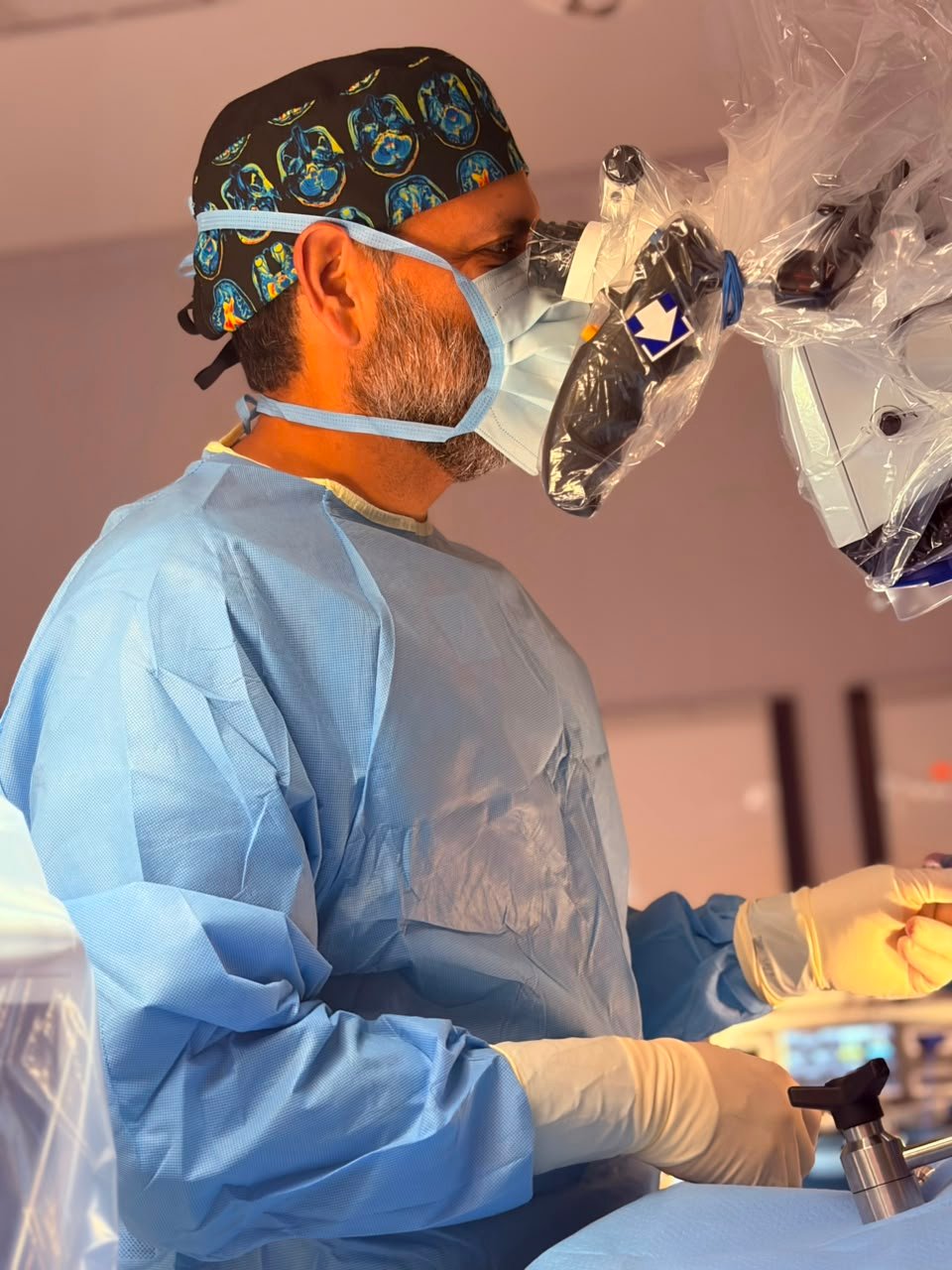
MILLIMETER PRECISION IN EVERY PROCEDURE
Technology-Assisted Neurosurgery
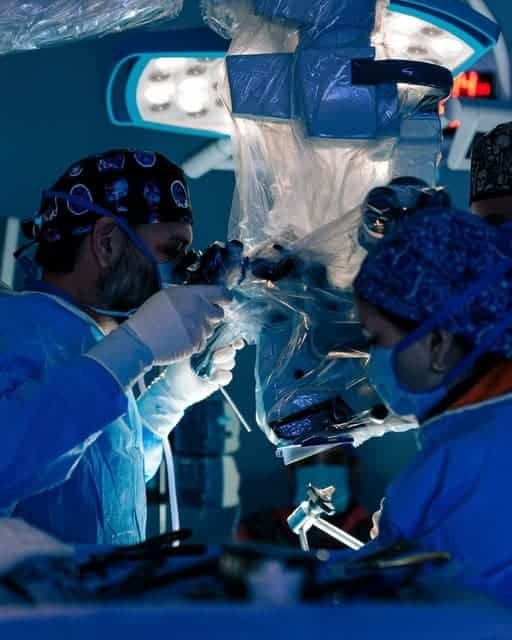
Dr. García Zamarrón uses neuronavigation, neurophysiological monitoring, intraoperative 3D imaging, and ultrasonic aspiration in the operating room. Each tool serves a specific purpose: monitoring nerve function in real time during surgery and preserving critical anatomical structures.
Neuronavigation
Guides every instrument to remove a lesion while protecting structures that must not be touched.
Neurophysiological Monitoring
Continuous monitoring of nerve function throughout surgery.
O-arm
Provides real-time 3D imaging for precise spinal implant placement, while neurophysiological monitoring tracks nerve function throughout the procedure.
Artificial Intelligence
Helps plan the surgical approach by generating 3D maps that identify critical areas to avoid.
Ultrasonic Surgical Aspirator
Advanced technology that uses ultrasonic vibrations to break down and remove tumor tissue with millimeter precision, protecting blood vessels and critical neurological structures during complex surgeries.
VERIFIED PATIENT REVIEWS
What Patients Say About Dr. García Zamarrón
Verified Reviews on Doctoralia
Dr. García Zamarrón has 398 verified reviews on Doctoralia, with a 5.0 rating. The quality of his practice is measured, above all, by the trust his patients place in him — and that trust is public, so you can verify it yourself.
YOUR CARE PROCESS, STEP BY STEP
Every Case Begins With
an Accurate Diagnosis and a Clear Plan.
Your consultation begins with a dedicated evaluation to understand your medical history, review your prior imaging and studies, and perform a detailed exam. Excellence in neurosurgery isn't only about precision — it's also about human care: you're guided from your first consultation through the final stage of your recovery.
01. Initial Consultation
We begin with an appointment dedicated exclusively to understanding your medical history. We review your prior studies and perform a detailed exam to determine an accurate diagnosis and evaluate your treatment options.
02. Detailed Medical Guidance
You'll receive a clear, honest explanation of the recommended procedure. The goal is for you to have all the information you need to make an informed decision, with every question about your health answered with full transparency.
03. Neurosurgical Procedure
The procedure is performed using minimally invasive techniques and advanced technology. The main focus is preserving anatomical integrity and achieving maximum technical precision, in strict compliance with the highest safety standards.
04. Post-Op Follow-Up
Close, professional follow-up is maintained at every stage of your recovery, ensuring the doctor's direct support and supervision for a structured recovery.
INSURANCE
Your Mexican major medical insurance
may cover your procedure.
Dr. García Zamarrón accepts patients with major medical insurance from Mexico's leading insurers. Coverage is confirmed before any procedure is scheduled and is subject to your policy's specific terms. Our team provides the clinical documentation needed to support your claim.
Insurance Providers We Work With
- GNP Seguros
- AXA Seguros
- MetLife México
- Allianz
- Seguros Atlas
- Seguros Monterrey
- Seguros Banorte
- Plan seguros
Coverage varies by insurer, policy, and procedure, and is confirmed during your consultation.
Care for complex cases in Ciudad Juarez
Neurosurgical Second Opinion
Minutes from El Paso
Dr. García Zamarrón offers neurosurgical second opinions for patients who have already been recommended for surgery or who are seeking a re-evaluation after a prior procedure. He will thoroughly review your imaging and case history to give you an honest, clear picture of your options.
CARE FOR INTERNATIONAL & U.S. PATIENTS
World-Class Neurosurgery, Minutes From the Border
We provide brain and spine neurosurgical care to international patients, combining internationally trained standards with the precision of a highly specialized subspecialty. Our priority is a safe procedure, backed by a track record of medical excellence.
~20 Minutes From the International Bridges
Consultation Available in English
Frequently Asked Questions
Brain & Spine Neurosurgeon — Minutes from El Paso
What's included in the first consultation?
It includes a review of your medical history, a neurological exam, review of any prior imaging you have, and a clear explanation of what's happening and your options. If additional studies are needed, such as an MRI, they'll be ordered at that time. First we evaluate — then we decide.
Do you see patients from the United States?
Yes. Dr. García Zamarrón sees patients from El Paso and West Texas on a private, self-pay basis, with care provided in English and payment in U.S. dollars. U.S. insurance is not accepted. Hospital Ángeles Ciudad Juárez is about 20 minutes from the border.
Does Dr. García Zamarrón offer second opinions?
Yes. If you've already received a diagnosis or a surgery recommendation, you can request a neurosurgical second opinion before making a decision. This is a wise step, especially when surgery is on the table, and our team will guide you on how to send your imaging and records.
How do I evaluate whether a neurosurgeon in Ciudad Juárez is right for me?
There's no single objective answer to that. What you can verify are facts: certification by the Mexican Council of Neurological Surgery, professional and specialty licenses, training background, memberships in AO Spine and EANS, the hospital where he operates, and published patient reviews. To review his licenses and other patients' testimonials in detail, visit the specialist's background and credentials section.
How do I schedule a consultation?
You can schedule by WhatsApp at 656 657 7818, by phone at 656 227 1963, or by filling out the form on this site.
How much does a consultation with a neurosurgeon in Ciudad Juárez cost?
The consultation fee is provided when you schedule your appointment, by WhatsApp or phone. Surgery costs depend on the condition, technique, length of hospital stay, and any implants required, so a final cost can only be determined after your evaluation, once the diagnosis is clear. You'll receive a detailed, itemized quote before making any decision. Consultations are self-pay, in U.S. dollars; U.S. insurance is not accepted.
Do you accept major medical insurance?
Consultations and procedures are self-pay, in U.S. dollars. Dr. García Zamarrón does not accept U.S. insurance plans. A detailed cost estimate is provided after your evaluation, once your diagnosis and treatment plan are clear.
Does Dr. García Zamarrón handle neurosurgical emergencies?
If you're experiencing a neurological emergency — the worst headache of your life, sudden loss of strength, seizures, or loss of bladder/bowel control — go immediately to the nearest emergency room or call 911; don't wait for an appointment. If you're already a patient of Dr. García Zamarrón, please also notify us at 656 227 1963 or 656 657 7818 so we can help coordinate your hospital care.
Which hospital does Dr. García Zamarrón operate at?
El Dr. García Zamarrón atiende consulta y opera en Hospital Angeles Ciudad Juárez, en Av. Campos Elíseos 9371, Consultorio 795. El hospital cuenta con estacionamiento gratuito y farmacia en el edificio, cerca de puentes internacionales.
What does a neurosurgeon do?
A neurosurgeon is a physician who diagnoses and treats conditions of the brain, spine, and nerves, using both surgical and non-surgical treatments. This includes conditions like herniated discs, sciatica, brain tumors, aneurysms, and nerve compression. Being referred to a neurosurgeon doesn't necessarily mean you'll need surgery.
What's the difference between a neurologist and a neurosurgeon?
A neurologist treats nervous system conditions with medication and therapy, without performing surgery. A neurosurgeon treats those same conditions when surgery may be needed, though non-surgical options are offered as well. The two often work together: a neurologist diagnoses and refers to a neurosurgeon when a surgical intervention may be necessary.