Facial Pain & Trigeminal Neuralgia Specialist — Minutes from El Paso
Facial Pain & Cranial Nerve Specialist
Dr. José Raúl García Zamarrón
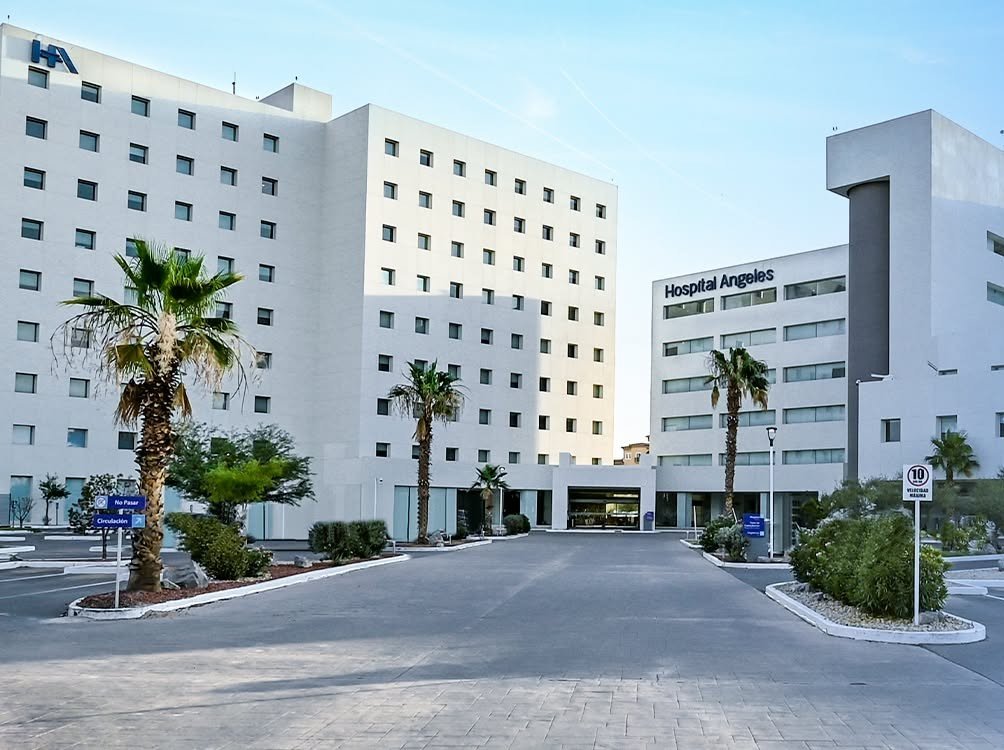
Trigeminal neuralgia is an intense, brief and sudden facial pain—often described as an electric shock—on one side of the face, caused by irritation of the trigeminal nerve. Dr. José Raúl García Zamarrón, a neurosurgeon in Ciudad Juárez, evaluates and treats facial pain with medical and surgical management at Hospital Ángeles.
HOSPITAL STAY
3 days aprox.
RECOVERY TIME
2 to 4 weeks
CONDITIONS TREATED
Trigeminal Neuralgia and Facial Pain
TYPE OF ANESTHESIA
General
What It Is
Symptoms
Diagnosis
Treatment
About the Specialist
Reviews
UNDERSTANDING THE CONDITION
What Is Trigeminal Neuralgia, and Why Does It Happen?
Trigeminal neuralgia is a neuropathic facial pain condition caused by irritation of the trigeminal nerve, which provides sensation to the forehead, cheek, and jaw. In most cases, it's caused by a blood vessel compressing the nerve where it exits the brainstem.
Causes of Trigeminal Neuralgia
The most common cause is nerve compression by a blood vessel (classic form), present in roughly 75% of cases; less commonly, it's associated with multiple sclerosis or a space-occupying lesion (secondary form).
Dental Pain or Trigeminal Neuralgia: How to Tell Them Apart
Unlike tooth pain, trigeminal neuralgia pain is fleeting, triggered by light stimuli, and doesn't improve with dental treatment — which is why many patients see a dentist first before receiving the correct diagnosis.
SYMPTOMS
Is This Facial Pain Normal? Symptoms You Shouldn't Ignore
Trigeminal neuralgia pain occurs on only one side of the face, is sharp and very brief, and is often triggered by everyday actions like chewing, talking, brushing teeth, or a gust of air. Not all facial pain is the same, and some cases call for evaluation without delay.
Common Symptoms of Facial Pain
Here are some of the symptoms you may be experiencing.
Electric shock-like sensations in the face
Sharp, sudden pain
Pain on only one side of the face
Pain while chewing or talking
Shock-like pain when touching the face
Frequently mistaken for tooth pain
WARNING SIGNS
When
You Shouldn't Wait
If you experience any of these signs, go immediately to the nearest emergency room or call 911.
If you're already a patient of Dr. García Zamarrón, please also let us know at 656 657 7818 or 656 315 1115 so we can coordinate your care.
Drooping on one side of the face
Difficulty speaking
The worst headache of your life, of sudden onset
Temple or jaw pain accompanied by vision changes
Diagnosis
How Trigeminal Neuralgia Is Diagnosed
Trigeminal neuralgia is diagnosed primarily on clinical grounds — based on the characteristics and pattern of the pain. An MRI with trigeminal-specific sequences is used to identify nerve compression and rule out other causes before deciding on treatment.
MRI in the Evaluation of Facial Pain
A specialized evaluation and imaging studies help pinpoint the source of the pain and build a treatment plan tailored to your case.
FACIAL PAIN NEUROSURGERY SPECIALIST
Treatment and Surgery for Trigeminal Neuralgia — Minutes from El Paso
Treatment for trigeminal neuralgia starts with medication, and when the pain isn't controlled or the medication isn't well tolerated, surgical options are considered. Based on your case, Dr. García Zamarrón determines the most appropriate strategy, from medical management through surgery.

Medical Treatment
Carbamazepine and oxcarbazepine are the first-line medications for trigeminal neuralgia pain. When they stop being effective or aren't well tolerated, surgical treatment is considered."
When they stop being effective or aren't well tolerated, surgical treatment is considered.
When Surgery Is Considered
Surgery is considered when pain stops responding to medication or when side effects make it impossible to continue taking it.
The decision is always based on an individual evaluation: first we assess, then we decide.
Trigeminal Microvascular Decompression
Microvascular decompression is the only procedure that treats the underlying cause of classic trigeminal neuralgia: it separates the blood vessel compressing the nerve, and it offers the most lasting pain relief.
El Dr. García Zamarrón realiza este procedimiento en el Hospital Angeles en Ciudad Juárez, Chihuahua.
Percutaneous Trigeminal Rhizotomy
Percutaneous rhizotomy is an advanced surgical treatment for trigeminal pain that targets the nerve through a needle puncture, without the need for a craniotomy.
Dr. García Zamarrón performs all three techniques — balloon, glycerol, and radiofrequency — an alternative considered especially based on the patient's age and overall health.
Results depend on each patient's individual factors and the type of lesion, and are not a guarantee of outcome.
INTERNATIONALLY TRAINED NEUROSURGEON
Dr. José Raúl García Zamarrón
Specialist in Trigeminal and Cranial Nerve Disorders
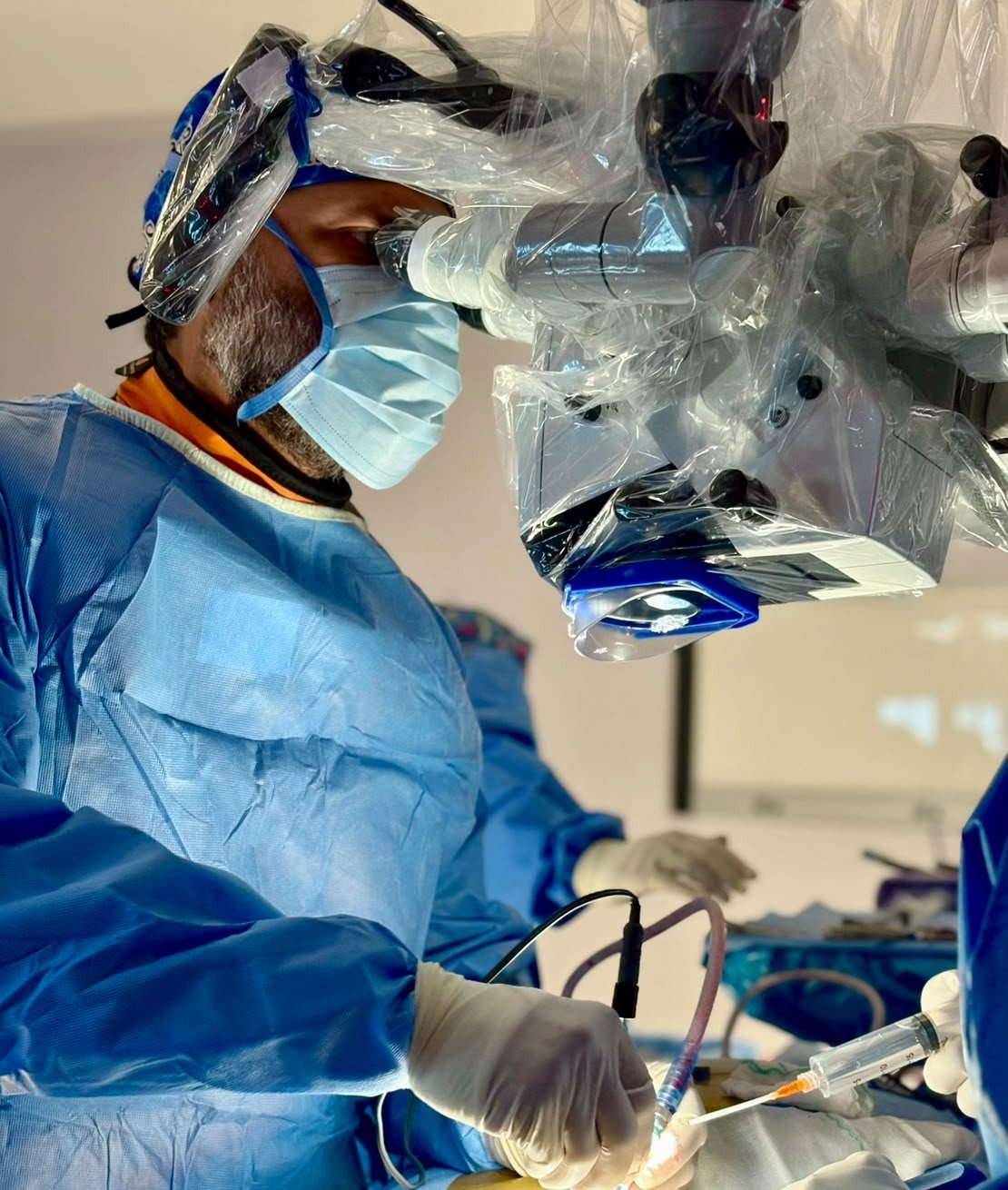
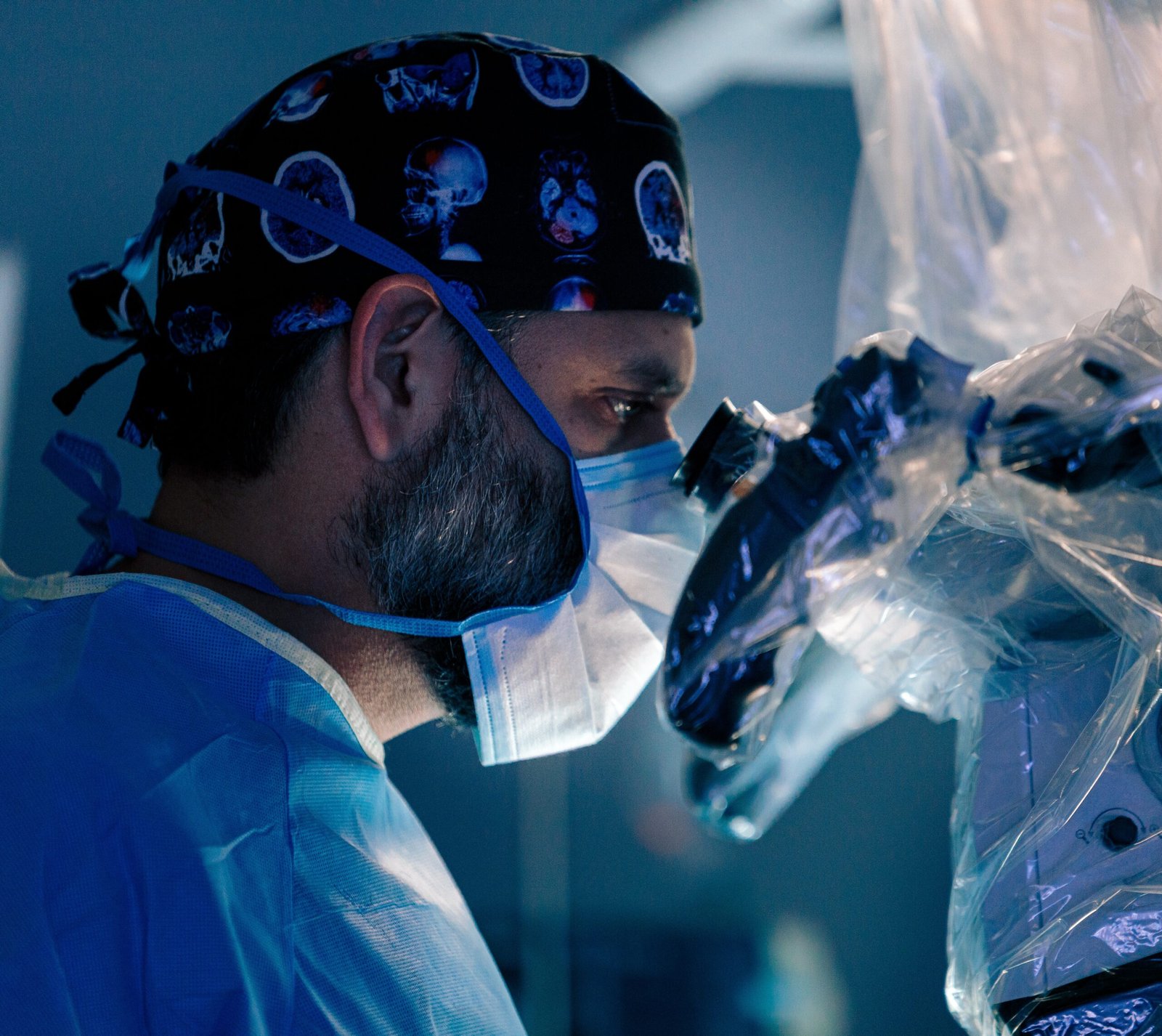
I'm an internationally trained neurosurgeon specializing in facial pain and cranial nerve disorders, minutes from El Paso in Ciudad Juárez. I combine precise diagnosis with high-precision technology to treat complex conditions, with the goal of correcting the condition while altering healthy tissue as little as possible.
Professional License 6241285 · Specialty License 10138902
Master's in Spine Surgery
Neurosurgery Specialty
Vascular Surgery
Member of AO Spine
Member of EANS
Certified by the Mexican Council of Neurological Surgery (CMCN)
VERIFIED PATIENT REVIEWS
What Patients Say About Dr. García Zamarrón
Verified Reviews on Doctoralia
Patient trust is part of what backs Dr. García Zamarrón's practice — he maintains a 5.0 rating across 398 reviews on Doctoralia.
"When I first came to Dr. García's office I had a lot of questions, but he answered every one with patience and clarity, always making me feel I was in the best hands. The day before my surgery he explained everything in detail; I even brought a notebook full of questions and he answered each one. On the day of the surgery, before I went into the operating room, he came to see me to reassure me and make sure everything would go well…" "
M.E.M
Hospital Angeles -Oct 2025
Verified review
"Dr. García Zamarrón is an excellent doctor. At my appointment he gave me my diagnosis, explained the procedure I needed, and walked me through what to expect. After the surgery he and his medical team looked after me throughout my recovery, answering any question I had as quickly as possible…"
L.V.
Hospital Angeles - Abril 2025
Verified review
"Dr. García Zamarrón is an excellent physician. From the very first consultation, he explained everything with clarity and answered every single one of my questions with a great deal of patience. He is also very accessible through the office WhatsApp for any minor question..."
K.A.
Hospital Angeles - Feb 2025
Verified review
Frequently Asked Questions
Frequently Asked Questions About Trigeminal Neuralgia
What is trigeminal neuralgia?
Trigeminal neuralgia is intense, brief facial pain, similar to an electric shock, affecting one side of the face. It occurs when the trigeminal nerve — the fifth cranial nerve — becomes irritated, often due to a blood vessel compressing it. The pain is typically triggered by everyday actions like chewing or talking.
What are the symptoms of trigeminal neuralgia?
Symptoms of trigeminal neuralgia include episodes of sharp, very brief facial pain on only one side of the face, described as an electric shock. The pain occurs suddenly and is often triggered by chewing, talking, brushing teeth, or light skin contact.
What causes trigeminal neuralgia?
The most common cause of trigeminal neuralgia is nerve compression by a blood vessel where it exits the brainstem, present in roughly 75% of cases. Less commonly, it's associated with multiple sclerosis or a space-occupying lesion, which is evaluated with an MRI.
How do I tell the difference between a toothache and trigeminal neuralgia?
Unlike a toothache, trigeminal neuralgia pain is fleeting, shock-like, and triggered by light stimuli such as talking or touching the face. It doesn't improve with dental treatment. That's why many patients see a dentist first before receiving the correct diagnosis.
How can trigeminal facial pain be relieved?
Trigeminal facial pain is first managed with medication: international guidelines recommend carbamazepine and oxcarbazepine as first-line treatment. When the pain stops responding or the medication isn't well tolerated, surgical treatment is considered. Management is always based on an individual evaluation of the case.
Is trigeminal neuralgia curable?
Trigeminal neuralgia is treatable, and many patients achieve long-lasting relief from pain. Microvascular decompression is the only technique that treats the underlying cause and offers the most lasting relief, when the case allows. Results vary from person to person, and no option guarantees an outcome.
When does trigeminal neuralgia require surgery?
Surgery for trigeminal neuralgia is considered when pain stops responding to medication or when side effects make it impossible to continue taking it. It doesn't depend on pain intensity alone, but on the response to medical treatment. The decision is always based on a specialized evaluation.
What is microvascular decompression?
Microvascular decompression is a surgery that separates the blood vessel compressing the trigeminal nerve, placing a small cushioning material between them. It's the only procedure that treats the underlying cause of classic trigeminal neuralgia and offers the most lasting pain relief. Dr. García Zamarrón performs this procedure in Ciudad Juárez, minutes from El Paso.
What alternatives exist for trigeminal pain besides decompression surgery?
Besides microvascular decompression, there's percutaneous rhizotomy, which targets the nerve through a needle puncture, using balloon, glycerol, or radiofrequency techniques. Among these, balloon compression tends to offer more lasting relief. Dr. García Zamarrón performs these techniques; radiosurgery is another option in this field.
Where does Dr. García Zamarrón treat facial pain?
Dr. José Raúl García Zamarrón, a neurosurgeon specializing in facial pain, sees patients minutes from El Paso in Ciudad Juárez and operates at Hospital Ángeles. The initial consultation takes place at his office, and trigeminal neuralgia surgery is performed at the hospital. You can schedule by phone or WhatsApp.
SCHEDULE AN APPOINTMENT
Your health deserves attentive,
trusted care.
Receive a personalized evaluation and understand your treatment options for your case.
Hospital Angeles Ciudad Juárez
Office 795, Av. Campos Elíseos 9371, Col. Campos Elíseos, 32420 Ciudad Juárez, Chih.
656 657 7818
Phone
656 227 19 63
Hours
Monday to Friday, 9:00 a.m.–5:00 p.m.
Saturday, 9:00 a.m.–12:00 p.m.